
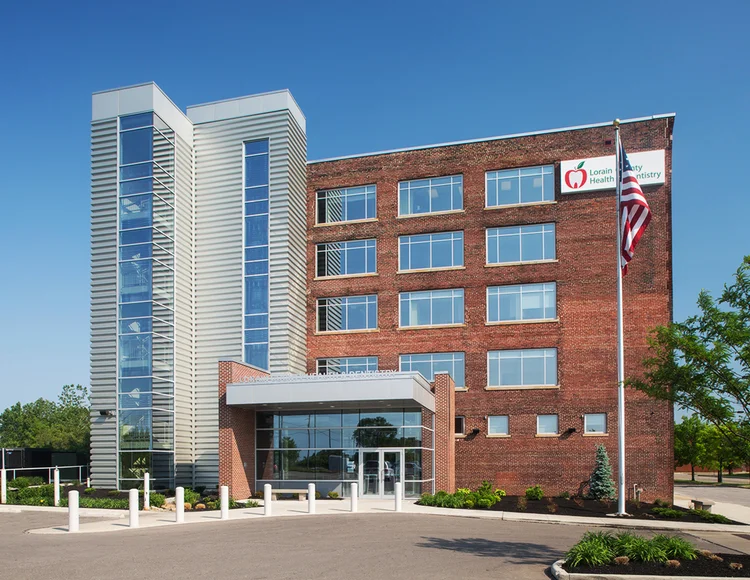
Modern buildings need strong walls and roofs that work together. Architectural siding trim and roofing is a system where siding, trim, and roofing are designed to protect the building as one unit.
This system helps stop water from entering the building and keeps the outside surface clean and strong. It also gives buildings a neat and modern look. When all parts work together, the building stays safer and lasts longer.
How Siding, Trim, and Roofing Work Together
Siding covers the walls, roofing covers the top, and trim connects everything. These parts must fit properly so there are no open gaps. Trim is very important because it closes spaces between walls and roof edges. It also helps guide rainwater away from weak areas.
Main connection areas explained:
1. Roof edges meeting wall surfaces
This is the point where the roof ends and the wall begins. Trim helps seal this area so water does not enter the gap. It also keeps the edge looking neat and straight.
2. Corners of the building
Corners are weak spots because two walls meet there. Trim covers these joints and protects them from wind and rain. It also helps the building keep a clean and finished shape.
3. Around windows and doors
Openings like windows and doors need extra sealing. Trim is used around these areas to block water and air from entering. It also gives a clean frame around each opening.
4. Joints between panels
Panels are joined together to cover large wall areas. Trim hides these joining lines and keeps them tight. This helps prevent gaps and improves the overall strength of the exterior system.
Role of Metal Fabrication in Building Parts
Building parts need to be made in the right size and shape. Architectural metal fabrication services help create siding, trim, and roofing parts with correct measurements.
This makes installation easier because everything fits properly on site. It also reduces cutting and fixing work during construction.
Metal fabrication helps with:
Making panels in the correct sizes
Creating custom trim pieces
Improving fitting accuracy
Reducing installation mistakes
Benefits of Using One Complete System
When siding, trim, and roofing are designed together, the building becomes stronger and more stable. It also reduces weak points where water or wind can enter. This system also improves the overall look of the building. All parts match and create a clean finish.
Main benefits include:
Better weather protection
Fewer gaps and weak spots
Clean and modern look
Longer building life
Less repair work
This is why many modern buildings use this system.
Importance of Proper Installation
Even good materials need correct installation to work well. Each part must be placed with care so everything fits tightly and forms a strong system. If parts are not lined up properly, small gaps can form. These gaps may look minor at first, but over time, they can allow water or air to enter and cause damage to the building.
Proper installation focuses on simple but very important steps like placing panels in the right position, making sure joints fit tightly, aligning all edges correctly, and finishing the surface in a smooth and even way. When installation is done with care, the whole system becomes stronger, looks better, and lasts longer without problems.
How Materials Perform in Real Conditions
Buildings face rain, sun, wind, and changing temperatures. The materials used in siding, trim, and roofing must handle all these conditions. Metal is a common choice because it is strong and lasts a long time. Protective coatings also help stop rust and damage.
These materials help with:
Protection from the weather
Long-lasting strength
Clean surface finish
Less maintenance
This makes them good for large buildings.
Why Modern Buildings Use This System
Modern buildings need simple, strong, and clean designs. Using siding, trim, and roofing together helps achieve this goal. It also makes construction easier because all parts are planned as one system. This saves time during installation and reduces errors.
Builders prefer this system because it:
Saves time on site
Reduces mistakes
Improves building strength
Gives a clean finish
Final Thoughts
A building lasts longer when all parts work together properly. Siding, trim, and roofing form one system that protects the building and keeps it looking good. It also reduces damage and maintenance needs. In modern construction, architectural siding trim and roofing are simple and effective ways to build strong and clean exterior systems.
Build Strong Exterior Systems with Expert Support
Good construction depends on correct design and quality work. Dalton Building Enclosures provides strong exterior solutions that help improve building strength, safety, and appearance.
Contact today to discuss your project and get reliable support for your building needs.
FAQS
1. Why are siding, trim, and roofing used together in modern buildings?
They are used together because they create a complete protection system. Siding covers walls, roofing protects the top, and trim seals the edges. This helps stop water entry and keeps the building strong and stable for a long time.
2. What role does trim play in building protection?
Trim helps close gaps between different building parts. It protects corners, edges, and joints from water and wind. It also gives a clean and finished look to the building exterior while improving overall durability.
3. How does metal fabrication help in construction projects?
Metal fabrication makes sure building parts are cut and shaped to the correct sizes. This helps siding, trim, and roofing fit properly during installation. It reduces errors on-site and improves the final building quality.
4. What happens if exterior systems are not installed correctly?
If installation is not done properly, gaps can form between panels and edges. These gaps may allow water, air, or dust inside, which can lead to leaks, surface damage, and reduced building strength over time.
5. Why is a combined exterior system better than separate materials?
A combined system works better because all parts are designed to fit together. This improves protection, reduces weak points, and gives a cleaner look. It also makes construction faster and reduces long-term maintenance needs.