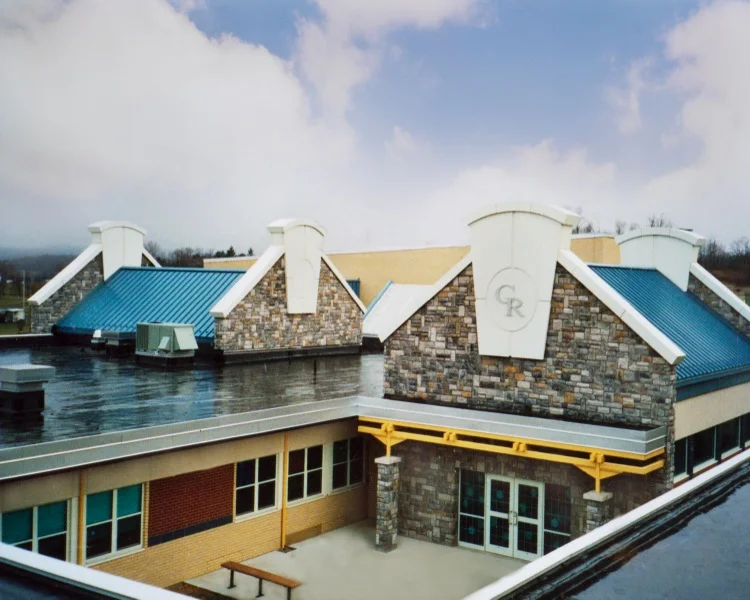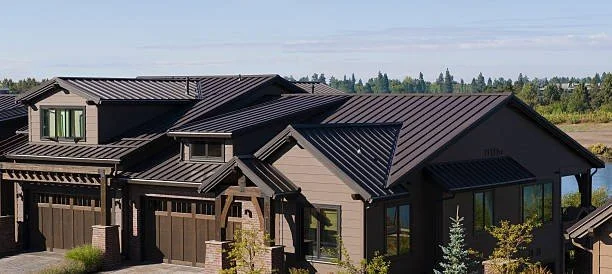
Standing seam metal roofing offers commercial building owners a way to combine a clean roof design with metal panels available in different profiles, colors, and finishes. When planning a custom roof, it is important to look beyond the panel's appearance and consider the building's shape, connection details, drainage needs, and fabrication requirements.
For projects involving roofing installation in Ohio, these decisions help architects and contractors select a system that fits the building's design and local conditions.
Custom Roofing Starts With the Building Design
Every commercial building has its own roof shape, dimensions, and architectural features. A custom roofing solution should reflect these details rather than rely on appearance alone. Standing seam systems offer different seam heights, panel widths, and finishes, giving project teams options for a range of building designs.
Before choosing a system, consider how the roof will look alongside the building's exterior walls, entrances, and other architectural features. Roof edges, overhangs, and transitions can also affect the final design. A clear plan helps project teams choose a panel profile that suits the building and coordinate the roofing with other exterior.
Panel Profiles and Finishes Shape the Final Result
The panel profile affects the roof's appearance and how the panels connect. Some designs create narrow, defined seam lines, while others provide a broader panel appearance. Finish and color choices also influence how the roof complements the rest of the building.
When comparing options, look at these details:
Seam design: Consider the appearance of the raised joints and how they fit the architectural style.
Panel dimensions: Review available widths and lengths against the roof layout.
Color and finish: Choose an option that works with the exterior color scheme and project specifications.
Edge details: Plan how fascia, flashing, and trim will complete the roof's appearance.
These choices are best made while the design is still being developed, so the roofing panels and related metal components can be planned together.
Roof Shape Determines Important Design Decisions
A roof's slope, length, and layout influence which standing seam system may be suitable. A straightforward roof and one with several slopes, valleys, or changes in direction will have different detailing needs.
Project teams should review the roof drawings and identify areas where panels meet walls, change direction, or end at an edge. These locations need details that suit the selected roofing system.
For standing seam metal roofing, the panel profile, attachment method, and roof structure must be considered together. Manufacturer guidelines help determine the suitable application for the building's roof geometry.
Custom Fabrication Brings Roofing Details Together
A custom roof involves more than the main panels. Fascia, flashing, trims, and edge components all contribute to the finished result. Their dimensions and connections should match the roof design and the surrounding exterior materials.
Custom architectural metal fabrication can help provide components made to project measurements and specifications. This is especially useful when the roof connects with metal wall panels or includes distinctive edges and transitions.
Before production, contractors and design teams should review shop drawings, dimensions, finishes, and connection details. Coordinating these items helps ensure that the fabricated parts match the planned design.
Planning for Ohio's Changing Weather
Ohio buildings experience seasonal changes in temperature, rain, snow, and wind. Roofing choices should account for these conditions, along with the building's location and structural design.
Metal panels expand and contract as temperatures change. Depending on the selected system, clips and fastening details may allow the movement needed for the panels to perform as intended. Roof slope, underlayment, drainage, and flashing must also follow the system's requirements.
For roofing installation in Ohio, project teams should confirm that the chosen roof meets applicable codes and manufacturer specifications. Reviewing these details during design helps connect the material selection with the building's practical needs.
Frequently Asked Questions
What makes standing seam roofing different from other metal roof styles?
Standing seam roofing uses raised seams to connect adjacent panels. Many systems use concealed fasteners, creating a distinct appearance compared with metal roofing systems that have exposed fasteners.
Can standing seam panels be matched to a building's exterior design?
Yes. Available panel profiles, colors, and finishes allow designers to coordinate the roof with exterior walls, trim, and other architectural features. Options depend on the manufacturer and project specifications.
Does a custom metal roof require project-specific drawings?
Shop drawings are commonly used to show panel layouts, dimensions, connections, and related details. Reviewing them before fabrication helps align the components with the building design.
What roof details should be planned before fabrication?
Project teams should review roof edges, valleys, penetrations, wall connections, panel lengths, and flashing requirements. These details affect how the panels and supporting components fit together.
How is a standing seam roofing system selected for an Ohio building?
Selection depends on roof slope, structural requirements, weather exposure, panel design, and applicable codes. The chosen system must also meet the manufacturer's installation guidelines.
Can custom metal components be used alongside standing seam roofing?
Yes. Custom fascia, flashing, trims, and related architectural metal components can be designed to coordinate with the roofing system, provided they meet the project's specifications.
Discuss Your Custom Roofing Requirements
A well-planned commercial roof brings together panel design, fabrication, and carefully coordinated connection details. Dalton Building Enclosures provides architectural metal fabrication and building enclosure solutions for commercial construction projects. Contact our team to discuss your custom roofing needs and explore options for coordinating metal roofing with your building's exterior design.