Standing Seam Metal Roofing: A Complete Guide to Strong and Modern Roof Systems

Standing Seam Metal Roofing

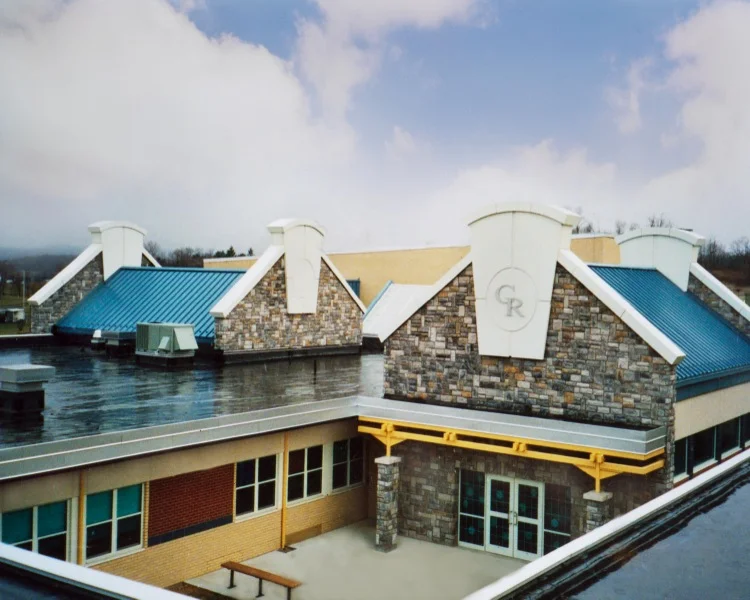
Modern buildings need roofs that stay strong in all weather conditions. Standing seam metal roofing is a system made from long metal panels that lock together with raised seams. These seams stay hidden, which helps keep the roof tight and protected from leaks.

This roofing system is widely used in commercial and industrial buildings because it lasts long and handles rain, wind, and heat with ease. It also gives a clean and modern look to large structures.

System Design and Working Method

This roofing system uses continuous metal panels joined by raised seams. These seams connect the panels tightly and form a sealed surface across the roof. The system is designed to handle movement caused by temperature changes. Metal expands in heat and contracts in cold, but the seam structure allows safe movement without damage.

Key design points include:

  • Interlocking panel system

  • Hidden fastening method

  • Raised seam connection

  • Smooth roof surface

  • Controlled expansion space

This design helps the roof stay stable for many years.

Materials Used in Roofing Systems

Different metals are used depending on building needs and weather conditions. Each material is selected for strength, weight, and durability. Steel is used for strong support. Aluminum is used where lighter weight is needed. Protective coatings help stop rust and surface damage.

Common materials include:

  • Galvanized steel for strength

  • Aluminum for light structure

  • Coated metal for rust protection

  • Painted finishes for longer life

These materials help improve roof performance and durability.

Installation Process in Construction Projects

Proper installation is important for roof performance. Panels must be placed carefully so seams lock correctly and form a tight surface. Before installation, the roof base is checked for level and strength. This helps avoid alignment problems during panel fixing.

Full-service commercial roofing teams in Ohio manage large roofing projects from planning to installation. They ensure correct alignment, proper fitting, and final inspection for smooth roof performance.

Cost Factors in Roofing Projects

The cost of this roofing system depends on several project details. Larger buildings need more materials and a longer installation time. Metal type also affects cost. Stronger materials and special coatings usually increase pricing. Skilled labor is also required for correct installation.

Main cost factors include:

  • Type of metal used

  • Roof size and structure

  • Design complexity

  • Labor and installation work

  • Coating and finishing type

Performance in Real Building Conditions

This roofing system performs well in different weather conditions. The locked seams help stop water from entering the roof system.

Rainwater flows smoothly across the surface, which reduces pooling. The design also supports strong wind resistance in open areas.

Key performance benefits include:

  1. Strong leak protection – The locked seams reduce chances of water entering the roof system.

  2. Smooth water drainage – Water flows easily across the surface without staying in one place.

  3. High wind stability – The panels stay secure even in strong wind conditions.

  4. Weather resistance – The system handles rain, sun, snow, and heat effectively.

  5. Long service life – Strong materials and design help the roof last for many years

Maintenance and Long-Term Use

This roofing system needs low maintenance. It is designed to perform for many years with simple care. Routine inspection helps keep seams tight and surfaces clean. Dirt and debris can be removed easily because of the smooth design.

Basic maintenance includes:

  • Regular roof checks

  • Cleaning debris

  • Inspecting seams

  • Checking surface coating

Application in Modern Construction

This roofing system is used in many building types. It is common in warehouses, factories, offices, and industrial facilities. Large buildings benefit from long panel runs, which reduce joints and improve roof strength. It also gives buildings a clean and modern appearance.

Final Thoughts

Modern buildings need roofing systems that are strong, simple, and long-lasting. This system provides better protection, a clean design, and reliable performance in different conditions. It also reduces long-term maintenance needs.

 In today’s construction industry, standing seam metal roofing remains a trusted choice for durable and efficient roofing solutions.

Get Reliable Roofing Support for Your Project

Strong roofing systems need proper design, quality materials, and skilled installation. Dalton Building Enclosures delivers dependable solutions for modern commercial and industrial roofing needs. Contact us today to discuss your project and get the right roofing support for long-term performance

FAQS

1. What type of buildings use standing seam metal roofing?

It is commonly used in commercial buildings like warehouses, factories, offices, and large industrial facilities. These buildings need strong roofs that cover wide areas and last for many years.

2. Is standing seam metal roofing good for harsh weather?

Yes, it performs well in rain, wind, snow, and heat. The locked seam design helps protect the roof surface and reduces the chance of leaks or damage.

3. Can standing seam roofs be installed on large structures?

Yes, it is ideal for large structures. Long metal panels allow wide roof coverage with fewer joints, which improves strength and reduces weak points.

4. What helps standing seam roofs last longer?

Their long life comes from hidden fasteners, strong metal panels, and protective coatings. These features reduce rust, leaks, and surface damage over time.

5. Do standing seam roofs need special maintenance tools?

No special tools are needed. Basic visual checks and simple cleaning are enough to maintain the roof and keep it performing well for years.
How Does Standing Seam Metal Roofing Perform Compared to Other Metal Roofing Types?

Standing Seam Metal Roofing

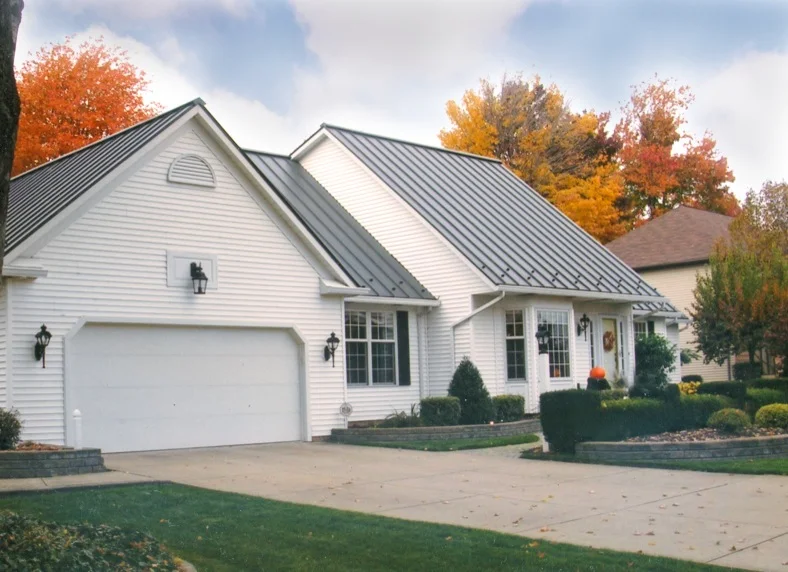
Standing seam metal roofing performs better than most other metal roofing types because it is stronger, lasts longer, and reduces leak problems. It uses hidden screws and tightly locked panels, which help protect the roof from rain, wind, heat, and long-term wear. Compared to exposed screw metal roofs, it stays more secure and needs less repair. This makes it a more reliable choice for buildings that need long-term safety and low maintenance.

This roofing system is designed for real-life conditions, not just looks. It keeps buildings safer during storms and helps avoid common roof problems like loose screws and water leaks.

Strong and Simple Roof Design

A metal standing seam roof is made with long metal panels that connect at raised edges. These edges lock together tightly, and all screws stay hidden underneath.

This simple design helps in many ways:

  • No screws are exposed to the sun or rain

  • Panels lock tightly for better strength

  • Water flows down smoothly without blockage

  • Less chance of rust forming on fasteners

  • Roof stays neat and modern in appearance

Because the screws are not visible, they are protected from weather damage. This helps the roof last much longer without frequent repairs.

How It Handles Everyday Weather

Weather changes can slowly damage roofs over time. Heat, rain, wind, and snow all put pressure on roofing systems. Standing seam metal roofing is built to handle these changes in a simple and strong way.

When rain falls, water moves quickly down the smooth surface. Strong winds have a hard time lifting the panels because they are locked tightly. Snow also slides off more easily instead of staying on top.

Metal expands when it gets hot and shrinks when it cools down. This roofing system allows for small movement without breaking or loosening parts. That helps prevent cracks and leaks over time. A metal standing seam roof keeps performing well even when the weather keeps changing.

Comparison With Other Metal Roofing Types

Different metal roofs work in different ways. Some are cheaper, but they do not last as long or stay as strong.

Metal Roofing Types Chart

The main difference is exposed screws. Other roofs use screws on the surface, which can loosen over time. A standing seam metal roofing system hides all screws, which keeps them safe and reduces leak chances.

Better Comfort and Energy Support

A metal standing seam roof also helps improve comfort inside buildings. Metal surfaces reflect sunlight instead of absorbing too much heat. This can help keep indoor spaces cooler during hot weather. When combined with insulation, it also helps maintain stable indoor temperatures. This means heating and cooling systems do not need to work as hard, which can help reduce energy use over time.

Low Maintenance and Fewer Repairs

One of the biggest advantages of standing seam metal roofing is that it does not need frequent maintenance. Since there are no exposed screws, fewer things can go wrong.

It helps reduce problems like:

  • Loose screws over time

  • Water leaks from worn fasteners

  • Rust forming on exposed parts

  • Frequent roof repairs

  • Early roof damage

Most other metal roofs need regular screw tightening and sealing checks. This system avoids most of those issues, which saves time and effort.

Long-Lasting Strength

A metal standing seam roof is built to last for many years. Its design focuses on strength and protection rather than simple cost savings.

It lasts longer because:

  • Strong metal panels resist damage

  • Hidden screws stay protected

  • Tight seams hold panels firmly

  • The weather impact is reduced

  • Heat movement is controlled

Because of this, it often lasts for decades when installed correctly. It is made for long-term performance instead of short-term fixes.

Final Thoughts: A Reliable Roofing Choice

Choosing a roof is an important decision because it protects the entire building. Standing seam metal roofing stands out because it is strong, simple, and dependable. It handles weather better, lasts longer, and needs fewer repairs compared to many other metal roofing types.

A metal standing seam roof is a smart option for anyone who wants long-term protection without constant maintenance problems.

 Built for Strength That Lasts

Roof Smarter, Protect Longer a strong roof means fewer worries and better protection every day. Choosing the right system helps reduce future repair costs and improves building safety.

Dalton Building Enclosures delivers roofing solutions designed for durability, performance, and long-term peace of mind.

FAQ: Easy Questions and Answers

1. What makes standing seam metal roofing better than other types?

It performs better because it uses hidden fasteners and tight panel locking. This reduces leak risks and improves durability. It also requires less maintenance compared to exposed screw metal roofing systems, making it more reliable for long-term building protection.

2. How does it perform in heavy rain and storms?

 It handles storms well because water flows smoothly off the surface without pooling. The locked panels resist wind pressure, while hidden fasteners reduce weak points. This helps protect buildings during heavy rain, strong winds, and changing weather conditions.

3. Does standing seam roofing need frequent maintenance?

 No, it needs very little maintenance. Since there are no exposed screws, there are fewer parts that can loosen or fail. Occasional inspections are enough to keep it in good condition, unlike other metal roofs that need more frequent checks.

4. Is it suitable for hot weather regions?

 Yes, it works well in hot climates. The metal surface reflects sunlight, which helps reduce heat buildup inside the building. When paired with insulation, it improves indoor comfort and helps reduce energy use for cooling systems.

5. How long can standing seam metal roofing last?

 It can last for several decades when installed correctly. Its strong materials, hidden fasteners, and tight seams help it resist weather damage. This long lifespan makes it a cost-effective roofing choice over time.