
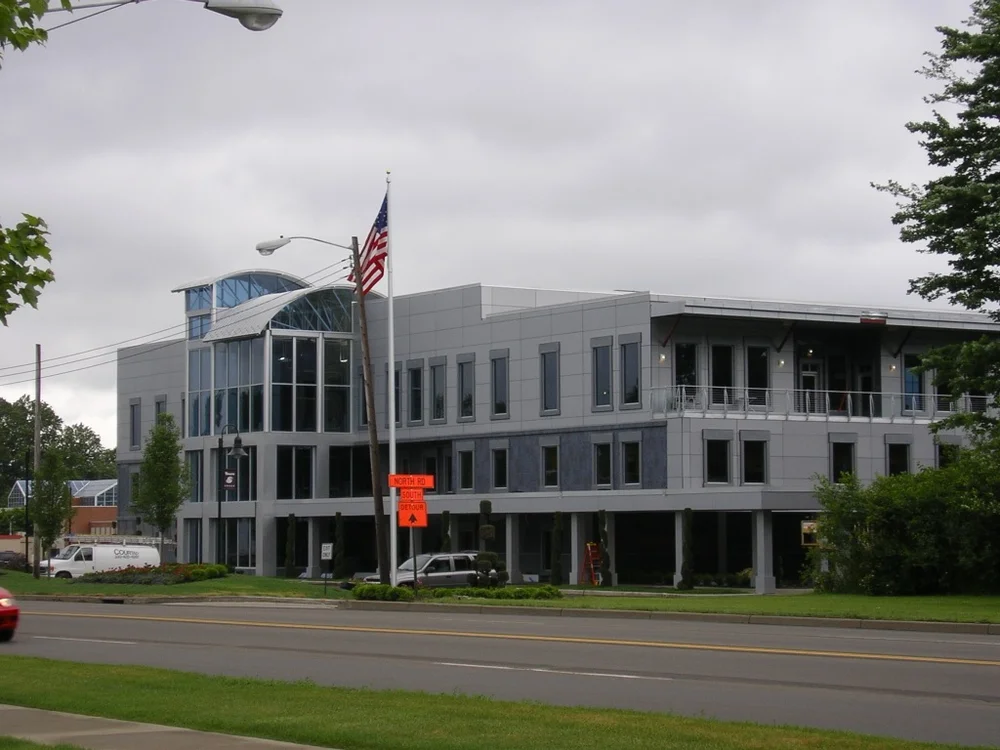
Hat channels support panel assemblies by creating a stable framework behind exterior panels. They provide attachment points, maintain planned spacing, and help keep panels properly aligned across the wall. Correct placement also allows installers to follow the intended layout with greater accuracy.
For architects and contractors, a properly planned Hat channel panel system connects the building structure with the finished facade, supporting cleaner installation and consistent panel positioning across commercial building projects.
The Hidden Structure behind Panel Assemblies
Hat channels get their name from their shape, which resembles the outline of a hat. The formed profile creates a raised surface for attaching wall panels while providing a practical way to create space between the supporting structure and panel surface.
Their role can vary based on the wall assembly and project design. Spacing, orientation, attachment method, and material selection all need to match the requirements of the specific application.
A strong panel assembly starts with coordination between the visible surface and the structure behind it. Treating these parts separately can create problems with alignment and attachment during later stages.
Creating a Consistent Panel Surface
Panel systems need a suitable support layout to maintain their planned position. Hat channels can provide defined attachment points across the wall, helping installers follow the intended panel arrangement.
Correct placement becomes especially important across wide commercial elevations. A small change in support location can affect panel edges, joints, or transitions. Careful planning keeps the supporting framework aligned with the panel layout.
For architects, this connection matters because the finished facade should reflect the approved design. For contractors, a clear support arrangement gives installation crews a more reliable reference during field work.
Key Factors in Hat Channel Placement
The effectiveness of a support system depends on details established before installation. Project drawings and wall conditions should guide the location and spacing of each channel.
Important considerations can include:
Required channel spacing
Panel dimensions and layout
Attachment locations
Wall substrate conditions
Openings, corners, and transitions
Each factor connects to the next. A channel layout designed without considering panel joints may create alignment problems later. Early coordination allows the support pattern to work with the complete wall assembly.
Supporting Panel Attachment
A panel needs a dependable connection to the structure behind it. Hat channels can create a consistent surface for attaching compatible panel components according to the specified assembly.
Attachment details should be selected based on the materials and design requirements. The support system must work with the panel type rather than being treated as a separate product.
For custom architectural work, this becomes even more important. Panel sizes, trims, corners, and openings can vary from one elevation to another. The supporting layout needs to account for those changes.
Keeping Space and Alignment under Control
One useful feature of a hat channel is its formed profile. The shape can create a controlled separation between the underlying wall and the panel surface where the assembly calls for it.
This space can be important for accommodating specific wall construction details. The exact depth and arrangement depend on the complete enclosure design, substrate, panel type, and project specifications.
Proper alignment also gives the exterior a cleaner appearance. Straight panel lines depend partly on the accuracy of the supporting framework hidden behind the finished surface.
Custom Fabrication for Building Conditions
Commercial buildings rarely have identical wall conditions on every elevation. Windows, doors, corners, structural changes, and transitions can require different support arrangements.
Custom metal fabrication can produce channels and related components according to project dimensions. This approach can be useful when standard pieces do not match the required layout.
A coordinated fabrication process can also connect hat channels with other architectural metal products, including trims, fascia, flashing, and wall panels. Each component then has a defined place within the larger enclosure.
Connecting the Support System to the Finished Facade
The best panel assemblies are planned as complete systems rather than individual products. The supporting channels, panels, fasteners, trims, and surrounding materials must work together.
This coordination is relevant across different commercial applications. A project involving flush metal wall panels, for example, may require close attention to support spacing and panel alignment to maintain the intended clean exterior.
The same principle applies to other building enclosure components. Whether the project involves wall cladding, roofing details, or custom architectural metalwork, each layer should be considered alongside the components surrounding it.
Practical Planning for Contractors and Designers
Good coordination before installation can save time in the field. Drawings should show the relationship between the support layout and panel arrangement, while fabrication details should reflect actual project conditions.
A clear plan can give project teams better control over:
Panel positioning
Support locations
Material quantities
Opening details
Installation sequencing
These details become especially useful on large commercial projects. Clear information allows fabrication and installation teams to work from the same project requirements instead of solving avoidable issues during construction.
Hat Channel Panel System FAQs
What is a hat channel used for?
A hat channel provides a formed metal support between a building structure and compatible wall panels. It can create attachment points, establish panel spacing, and support the planned arrangement of an exterior wall assembly.
How are hat channels attached to a wall?
Attachment methods depend on the substrate, channel material, panel assembly, and project specifications. The connection should be designed to suit the complete wall system rather than selected separately.
Do hat channels help with panel alignment?
Yes. Properly positioned channels provide defined support points for panel attachment. Accurate spacing and placement can support straighter panel layouts and more consistent exterior lines.
Can hat channels be custom fabricated?
Custom fabrication can produce channels to project-specific dimensions and requirements. This can be useful for commercial buildings with unusual wall conditions, varied panel sizes, or detailed architectural transitions.
Are hat channels used with roofing systems?
Hat channels are primarily associated with wall and panel assemblies, while roofing systems use components suited to their specific construction. Residential roofing in Ohio can involve different support and framing requirements based on the roof design.
Final Thoughts
The finished panel may attract attention, but the structure behind it deserves equal care. Proper channel placement, attachment, spacing, and coordination create a stronger connection between the wall structure and exterior surface. For commercial building projects, a well-planned Hat channel panel system can support cleaner installation and a more controlled finished facade.
Build the Structure behind Better Panel Design
From custom metal components to building enclosure products, careful fabrication and installation support can bring detailed architectural plans together. Dalton Building Enclosures provides custom architectural fabrication, wall systems, trims, flashing, roofing products, shipping, and field installation for commercial projects.
