
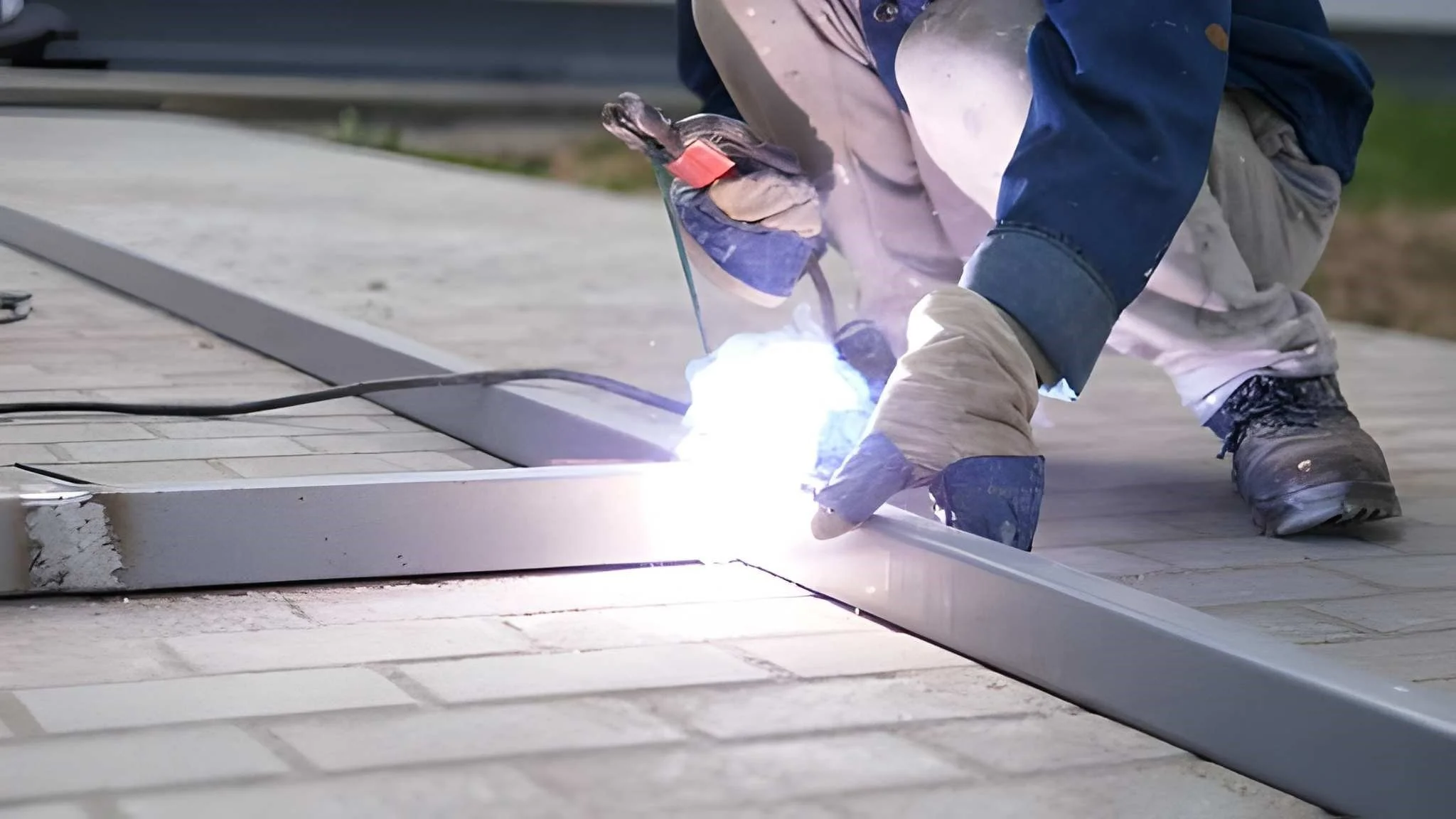
Industrial metal fabrication services turn a flat drawing into a real, working part through a series of exact steps: cutting, shaping, welding, and finishing raw metal stock to match precise measurements. Skilled fabricators read technical drawings, program cutting machines, and check every dimension against the original design.
Raw sheets and coils become brackets, panels, frames, and structural pieces ready for installation. Small tolerances matter at every stage, since one incorrect cut can affect how a finished piece fits on site. Modern shops combine trained hands with automated tools to keep accuracy high from the first cut to final assembly.
From Concept Drawings to Precision Cut Metal
Every fabrication project starts with a technical drawing showing exact dimensions, angles, and material specs. Engineers convert these drawings into machine-readable files, which guide laser cutters or plasma tables through each shape with tight accuracy.
Programming a cutting machine takes more than plugging in numbers. Technicians review nesting layouts to reduce wasted material, sequence cuts to limit warping, and confirm tool paths match the drawing before any metal gets touched.
Turning Specifications into Physical Components
Raw metal moves through several stages before becoming a finished part. Cutting, forming, welding, and finishing each play a distinct role, and skipping steps or rushing tolerances creates problems that show up later during installation.
Laser or plasma cutting for exact shape accuracy
Press braking to form precise bends and angles
Welding for permanent joints on structural pieces
Grinding and finishing for smooth, clean edges
Final inspection against original drawing measurements
Each stage builds on the last, and a mistake early in cutting carries forward through every later step. Shops that catch errors early save time, material, and money before parts reach a job site.
Skilled fabricators also adjust their process based on the metal type. Aluminum bends differently than steel, and weld settings change depending on thickness, so experience matters as much as the equipment itself.
Flush Metal Wall Panels and Fabrication Accuracy
Flush metal wall panels demand tighter tolerances than many other components, since visible seams and uneven edges show clearly on a finished facade. Fabrication accuracy directly affects how clean the final wall surface looks once installed.
Panel edges need square corners and consistent flatness to sit properly against adjoining sections. Flush metal wall panels produced with strict quality control avoid gaps, waves, or visible misalignment across large wall areas.
Consistency across a full production run matters just as much as accuracy on a single piece. Facade projects often need dozens or hundreds of matching panels, and even slight variation between pieces becomes noticeable once installed side by side.
Quality Checks Before Components Leave the Shop
Finished components pass through several checks before shipment. Dimensional accuracy, surface finish, and structural integrity all get verified against the original specification sheet before any part leaves the facility.
Measurement verification against CAD drawings
Visual inspection for surface defects or damage
Weld strength checks on structural joints
Coating and finish consistency review
Packaging review to prevent shipping damage
These checks catch small issues before they become expensive field problems. A part that passes every check installs faster and performs better across years of building use, with fewer surprises during final installation.
Why Fabrication Precision Matters for Building Facades
Facade components rely heavily on precise fabrication, since even small measurement errors create visible gaps or alignment issues across large wall sections. Industrial metal fabrication services built around tight tolerances keep facades looking clean and consistent.
Buildings with well-fabricated components also perform better structurally over time. Properly formed joints and accurate dimensions reduce stress points, helping panels and frames hold their shape through years of weather exposure.
Precision fabrication also shortens time spent on-site. Components built to exact specifications fit together without field modifications, which keeps installation crews moving and reduces delays tied to rework or mismatched parts.
Frequently Asked Questions
How long does industrial metal fabrication typically take?
Timelines vary by part complexity and order size. Simple brackets may ship within days, while custom architectural components often need one to three weeks for cutting, forming, and finishing work.
Can fabrication shops work from digital design files only?
Yes. Most shops accept CAD files directly, feeding them into cutting machines without extra drawing conversion, which speeds up production and reduces measurement errors between design and finished part.
What quality checks matter most for custom fabricated parts?
Dimensional accuracy and weld integrity carry the most weight. A part that meets exact measurements and holds strong welds performs reliably, even under heavy structural or weather-related stress.
Why does fabrication precision matter for exterior building panels?
Precise fabrication keeps seams tight and surfaces flat. Poorly fabricated panels create visible gaps, uneven lines, or water intrusion points that shorten a facade's lifespan and increase repair costs later.
What materials are commonly used in industrial metal fabrication?
Aluminum, steel, and stainless steel appear most often in fabrication shops. Each material offers different strength, weight, and corrosion resistance, chosen based on project location and structural requirements.
Final Thoughts
Turning a flat drawing into a working building component takes skill, precise machines, and careful quality checks at every stage. Industrial metal fabrication services built on accuracy help facades, frames, and structural pieces perform well for decades. A well-fabricated part rarely draws attention, and that quiet reliability is exactly the point.
Ready to Build It Right the First Time?
Our team at Dalton Building Enclosures turns drawings into precise, ready-to-install components for facades, panels, and structural projects. Contact us today to discuss your project's fabrication needs.
