
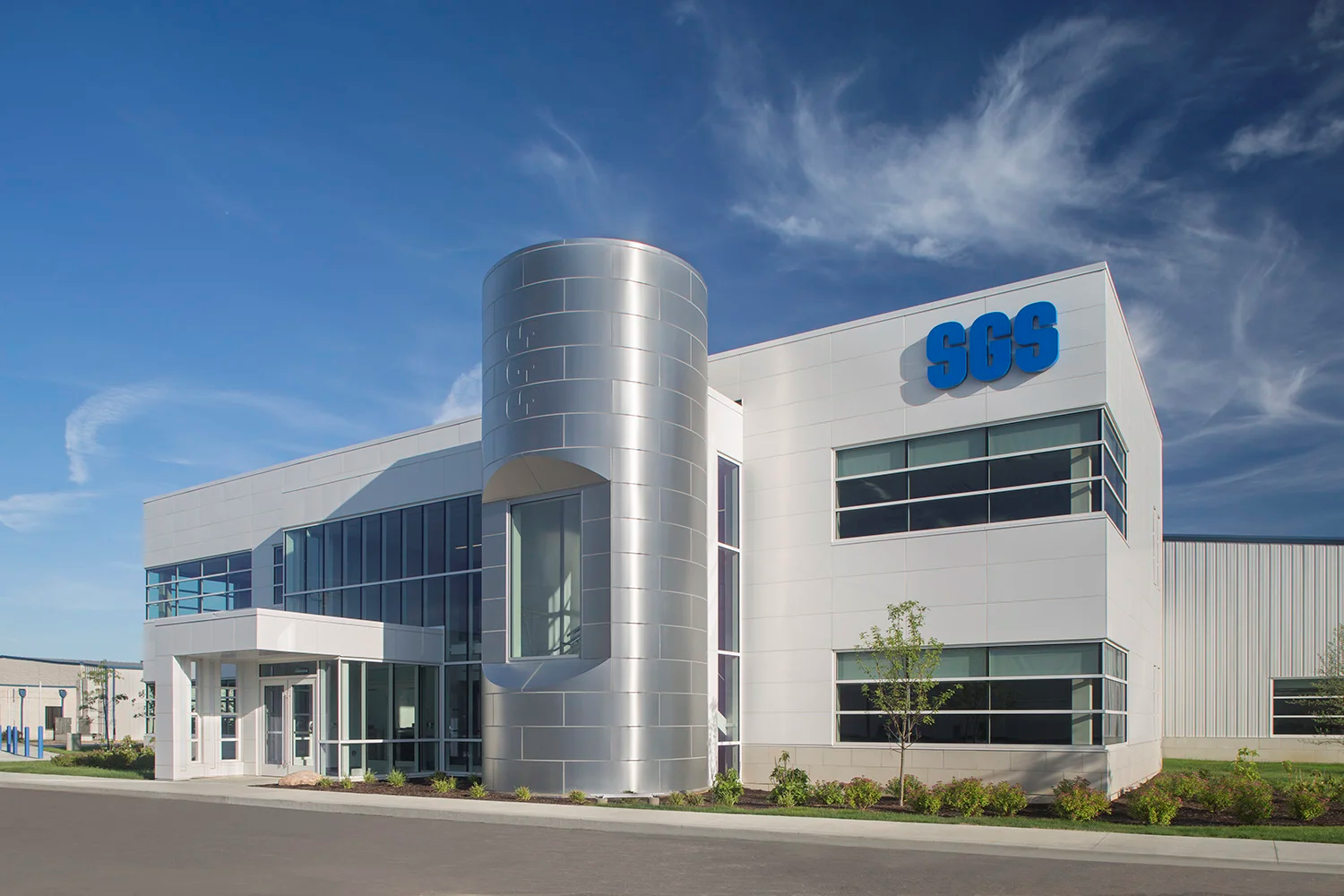
Buildings deal with bad weather every day. Rain, wind, hot sun, and changing temperatures can slowly damage walls and outside surfaces. Some materials crack, fade, or let water get inside. Reynobond panels help protect buildings from these weather problems. They are strong, lightweight panels used on the outside of buildings. These panels help block rain, handle sunlight, and stay strong during windy weather. Modern buildings use these panels because they last a long time and help buildings look clean and modern, too.
What Are Reynobond Panels?
Reynobond panels are specially designed metal panels used on the exterior walls of modern buildings. They are built using multiple layers, which helps improve both strength and durability. The outer metal surface protects the building from weather exposure, while the inner core adds stability and support. A protective coating on the top layer also helps the panels resist moisture, sunlight, and surface damage. This layered construction allows the panels to stay strong and maintain their appearance even during harsh weather conditions.
How Do Reynobond Panels Handle Rain?
Rain can cause big problems for buildings. Water may enter walls and create stains, mold, and damage inside.
Reynobond metal panels help keep water away from the building surface. Their smooth design helps rain move off the panels instead of staying on them.
Ways the panels help during rain:
Water slides off easily
Protective coating blocks moisture
Panels help lower leak problems
Surface resists rust and damage
This helps buildings stay dry during storms and heavy rain.
Protection from Hot Sunlight
Strong sunlight can slowly damage some building materials. Colors may fade, and surfaces may become weak after years of heat. Reynobond panels are made with coatings that help protect them from sunlight. These coatings help the panels keep their color longer.
The panels also help reduce heat on the building surface, which is useful during hot weather.
Can Reynobond Panels Handle Wind?
Strong winds can damage weak building walls. Loose materials may bend or break during storms. Reynobond panels are lightweight, but they are also strong. When installed correctly, they stay secure during windy conditions.
This makes them useful for:
Office buildings
Schools
Hospitals
Shopping centers
Modern commercial buildings
Their strong design helps them handle rough weather better than some older materials.
Why Do Builders Like Reynobond Panels?
Builders and architects want materials that look good and last a long time. They also want systems that need less repair work later.
Reasons builders use Reynobond panels:
Clean modern look
Strong weather protection
Lightweight design
Long-lasting finish
Lower maintenance needs
These features make them popular in modern construction projects.
How Do They Handle Temperature Changes?
The weather changes all the time. Buildings get hot during the day and cooler at night. Some materials crack when they expand and shrink too much. Reynobond metal panels are made to handle these changes better. Their design helps reduce stress on the surface.
This helps the panels stay strong for a longer time.
Installation Is Also Important
Even strong panels need proper installation. If panels are installed badly, water may enter behind them, or panels may loosen over time.
Good installation helps:
Keep panels secure
Improve water drainage
Reduce future damage
Increase panel life
This is why skilled installation teams are important.
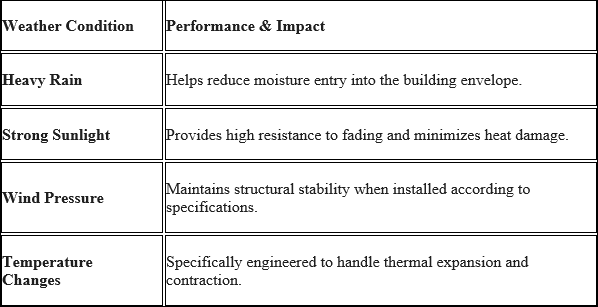
Simple Weather Performance Chart
Final Thoughts
Buildings need strong protection from the weather every single day. Rain, heat, and wind can slowly damage weak exterior materials. Reynobond panels help buildings stay protected with strong weather resistance and a clean, modern look. They handle rain well, resist sunlight damage, and stay stable during windy weather.
Their lightweight design and long-lasting surface make them a smart choice for modern buildings. With proper installation, these panels can help buildings stay strong and look good for years.
Protect Buildings with Strong Exterior Panel Systems
Strong weather can slowly damage building walls. Modern panel systems help buildings stay protected, cleaner, and stronger for years. For reliable exterior panel systems and advanced enclosure solutions, connect with Dalton Building Enclosures today.
Frequently Asked Questions (FAQs)
1. What are Reynobond panels used for?
Reynobond panels are used on the exterior walls of commercial and modern buildings. They help protect structures from rain, heat, and wind while also creating a clean architectural appearance. These panels are commonly used in offices, schools, healthcare buildings, and other projects needing long-lasting exterior performance.
2. Do Reynobond panels stop rainwater?
Yes, Reynobond panels are designed to help reduce moisture problems when installed correctly. Their protective surface and panel system help move water away from the building exterior. This lowers the risk of leaks, water stains, and damage inside wall systems during heavy rain or storms.
3. Can Reynobond panels handle hot weather?
Yes, Reynobond panels perform well in hot climates and areas with strong sunlight exposure. Their protective coatings help reduce fading and surface wear over time. They also help lower heat buildup on the building surface, which supports better long-term exterior performance in warm environments.
4 Reynobond panels strong during storms?
Reynobond panels are built to handle wind and changing weather conditions when installed properly. Their lightweight but durable design helps them stay stable during storms. Strong attachment systems and correct installation also improve performance during high wind pressure and rough outdoor conditions.
5. Why are Reynobond panels popular in modern buildings?
Reynobond panels are popular because they combine modern appearance with strong weather protection. They are lightweight, durable, and require less maintenance compared to some traditional exterior materials. Architects and contractors also prefer them because they support clean design and long-term building performance.
